Alfred's ArchiVita
TASK 1A
PRECEDENT STUDIES:
Analysing Spatial Poetics &
Spatial Typologies in Architecture
The first task given was an introduction of poetic space to us through reading, researching and understanding. By studying the selected buildings, which were Buffalo State Insane Asylum by Henry Richardson and Exeter Library by Louis Khan, we got a better understanding on how the architects and designers inccorperate architecture elements such as lighting, scale, proportion as well as 5 senses to enhance the spatial poetic in order to express the spiritual meaning of the structure.
ARCHITECTURE DESIGN STUDIO 3
 |
|---|
 |
 |
 |
PROJECT 1
JOURNEY FOR 5 SENSES
TASK 1B
THE JOURNEY FOR 5 SENSES
Design A 'Walk-themed' Journey
With Different Architecture Typologies
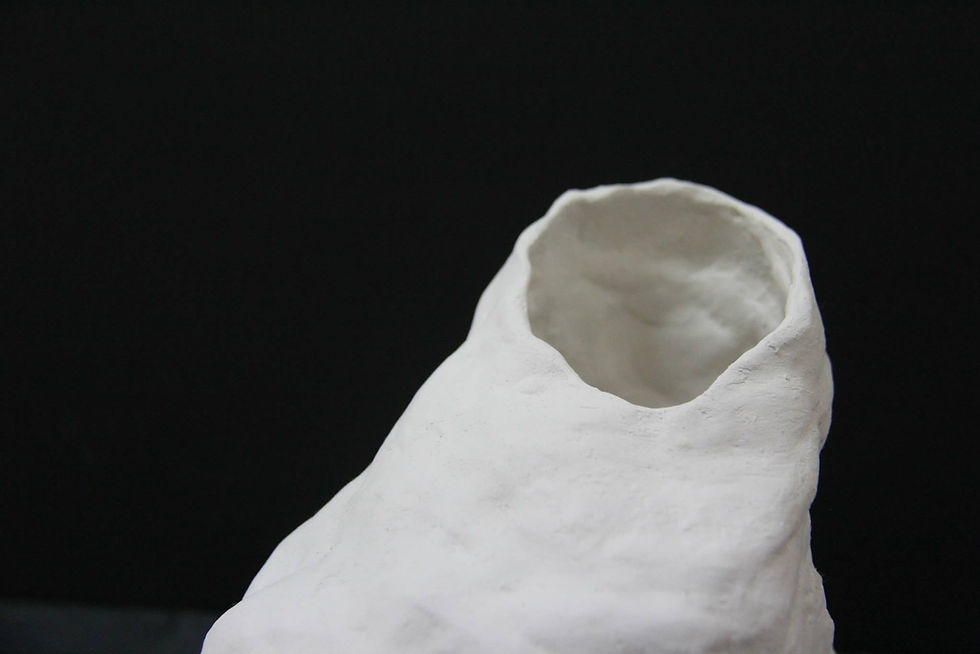
With the knowledge gained in task 1a, we were required to design 2 'walk-themed' structure to express our interpretations and emotional sensations of the chosen poem, which was 'The Wall'. With a series of explorations and thinking the behind meanings of the poem, we have come out with 2 different forms and designs to represent our main core thinking of the poem, which was 'The wall means true-self' to reflect the struggles and challenges that author faced in his life.

Experiencing Space and Place
EXPLORING // THINKING // MAKING
Thinking was the main core exercise in design studio and also, a challenge. We have to change our design perception toward more muture and considerate, with a tons of testings and explorings, design thinking skill was cultivated as a powerful weapon to create meaningful things.



PROJECT 2
GENIUS LOCI
SITE ANALYSIS & CONCEPT DEVELOPMENT
GENIUS LOCI // ESSESCE OF PLACE
Everyone has their own unique and irreplaceable characteristic; as the same thing, places have their own stories to evoke people's memories.
Project 2 began with a field trip to The Labrador Nature Reserve where located at southern part of Singapore. In this site visit, we were looking and observing the surroundings of the site in order to get some inspiration to insert into the Visitor Interpretive Centre (VIC) that we will be designing it in Project 3. At the same time, aim of this trip was also to enhance our site sensitive ability and the capability of presenting genius loci through different approaches and methods, such as sketches, study models as well as conceptual designs.
 |  |  |  |
|---|---|---|---|
 |
CONCEPTUAL DESIGN
With the aids of collected data and careful observation of the site environment, what inspired me the most was the significant changes occur all over the site. The industrialized surroudings vs natural park, the difference of human's perception toward the place, the seamless horizontality and verticality were the evidences. With all these, I strongly believe that the transformation is significant, which can truly be the essence of the place and to be represented by a interpretive centre. With a few study models, a series of experiment were done by adjusting the architecture elements of the building, such as form, space layout, and massing to achieve the most meaningful architecture piece.


PROJECT 3
GENIUS LOCI
VISITOR INTERPRETIVE CENTRE

DESIGN APPROACH
The concept of the design is inspired by the subtle transformation occurs from the past until present, as well as the juxtaposed site surroundings and human perceptions toward the site. During the field trip, a careful observation found that public tend to neglect the valued history background and relics of the site, which truly represent the genius loci of the place. Hence, with the aim of raising visitors' appreciation toward the site as well as promoting the essence of the park, the design of VIC 'speaks' with it's form, spaces and user experiences.
The transparent glass shell reflects the unconcious ignorances toward the genius loci and forming an invisible isolation among past, present and people. The form of the building also generating a contrasting visual impact with the surrounding with a complementary effect that highlights the beauty of the site and structure itself.
With a different building level, the building form showing the transformation is different in terms of scale and direction. It also mimics the form the butterfly to showing the spirit of transformation in a spiritual way.
The spatial experience in the VIC is aiming to create a huge visual impact to the visitor. By creating large volume of void, it is showing the value and the plenty history of the site. Open space is largely employed to ensure the fluidity of space. With the breath-taking glass roof, the exterior could be pulled into the interior, which making the interior integrated with surroundings.
 |
|---|
 |
 |
 |


SECTIONAL
MODEL
1:75
Alfred Lee Xue Chyi's Architecture Study e-Portfolio | Taylor's University

